

Blog
How To Replace a Water Heater
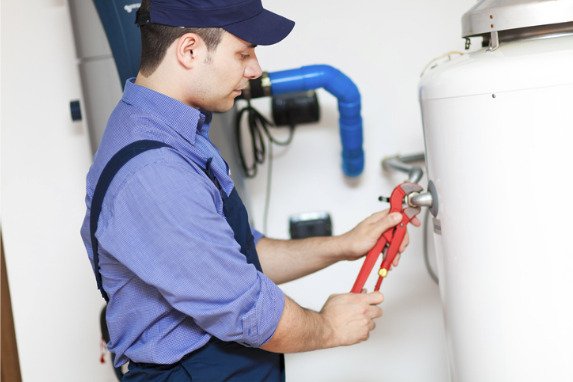
Most folks around Kansas only start thinking about their water heater when something goes wrong. Maybe you wake up and the shower never gets warm. Maybe you hear a strange noise from the tank or notice a little puddle forming underneath it. Or the water starts coming out rusty and you get that sinking feeling that the heater is on its last leg. That is usually when people hop online and look up how to replace a water heater, wondering if it is something they can handle on their own or if it is time to call in help. At Eck Services, we install water heaters every week, and while the basic steps seem simple, the safety details, code requirements, and gas line work are where homeowners often get into trouble. We walk customers through the basics the same way we would explain them at a kitchen table.
Signs Your Water Heater Needs Replacement
Water heaters rarely fail without warning. You usually get a few clues first.
- The unit is ten years old or more
- Water is leaking around the bottom of the tank
- Hot water runs out faster than it used to
- You hear crackling or popping sounds
- Water looks rusty or dirty coming out of the tap
- Energy bills creep upward
- You find yourself calling for repairs more often
Hard water here in Kansas speeds up internal wear, so these issues show up earlier than you might expect.
What You Should Know Before Replacing a Water Heater
Before you start unhooking anything, it helps to understand what you are getting into.
Gas or Electric
Most homes in the Wichita area have gas heaters. They heat well, but the work around gas lines, venting, and ignition needs to be done carefully. Electric heaters avoid that part but must be wired correctly.
Tank or Tankless
Tank units are what most homes already have. Tankless can be great, but only if you size them correctly or they will not keep up.
Size
If the tank is too small, you will run out of hot water. If it is too large, you pay for energy you do not need.
Efficiency
Newer, ENERGY STAR units handle Kansas mineral-heavy water better and cost less to run.
Codes and Permits
Local rules matter. Depending on where you live, you may need proper venting, expansion tanks, drip pans, or seismic straps.
Old Tank Removal
Even an empty tank is heavy and awkward to move, so plan ahead.
If you are unsure which type you need, Eck Services can help you choose something that fits your home and your budget.

Tools and Materials Needed
Here is what you will usually see on the ground during a replacement.
- Adjustable wrenches
- Pipe cutters
- Plumber’s tape
- Dielectric unions
- Soldering equipment if you have copper lines
- Drain hose and bucket
- Safety gear
- Voltage tester for electric units
Gas systems should only be handled by someone who knows how to test for leaks and secure fittings correctly.
Step-by-Step: How to Replace a Water Heater
This is a high-level overview. It is not a full set of instructions.
Step 1: Turn Off Power or Gas Supply
Kill the breaker for an electric unit or shut off the gas valve for a gas heater.
Step 2: Shut Off Water Supply and Drain the Tank
Connect a hose, open the drain valve, and give it time to empty.
Step 3: Disconnect Plumbing Connections
That includes water lines, venting, wiring, and the gas line if it is a gas heater.
Step 4: Remove the Old Unit
These tanks weigh a lot. Moving them safely takes patience.
Step 5: Position the New Heater
Get it level, give it the proper clearance, and set up a drip pan if required.
Step 6: Reconnect Water, Gas or Electric, and Safety Components
Install the pressure relief valve, hook up all piping and wiring, and test for leaks.
Step 7: Fill the Tank and Test
Refill, check every connection, then restore power or gas and make sure it heats correctly.
Improper installation can lead to leaks, electrical problems, gas hazards, or carbon monoxide issues. If anything feels uncertain during the process, Eck Services is here to help with safe, code-compliant installation.
Common Mistakes Homeowners Make
A lot of the calls we get come from DIY projects that did not go quite as planned.
- Venting not installed correctly
- Loose gas fittings
- Missing expansion tanks
- Wrong tank size
- Sediment not flushed before first use
- Temperature set dangerously high
Most of these mistakes shorten the life of the heater or create real safety problems, which is why homeowners often call us after a DIY attempt does not go as planned.
When You Should Not DIY a Water Heater Replacement
There are some situations where it is better to stop right away and call a pro.
- You smell gas
- Wiring looks outdated or unsafe
- Your plumbing system is old or galvanized
- Venting is cracked or deteriorated
- Your installation requires a permit
- The heater requires code upgrades
Eck Services handles water heater installations safely and makes sure everything meets Kansas requirements.
Benefits of Professional Water Heater Replacement
When you hire a professional, you get advantages that DIY simply cannot match.
- Correct sizing and proper unit selection
- Safe electrical and gas work
- Warranty protection
- Faster installation
- Proper venting and pressure control
- Long-term reliability
- Removal of the old tank
Most homeowners appreciate the peace of mind more than anything.
Why Kansas Homeowners Trust Eck Services
- Licensed and insured technicians
- Service across Wichita, Pratt, Kingman, Hutchinson, Medicine Lodge, and Salina
- Twenty-four-hour emergency help
- Straightforward pricing
- Expertise with tank and tankless models
- A reputation built on safety and honesty
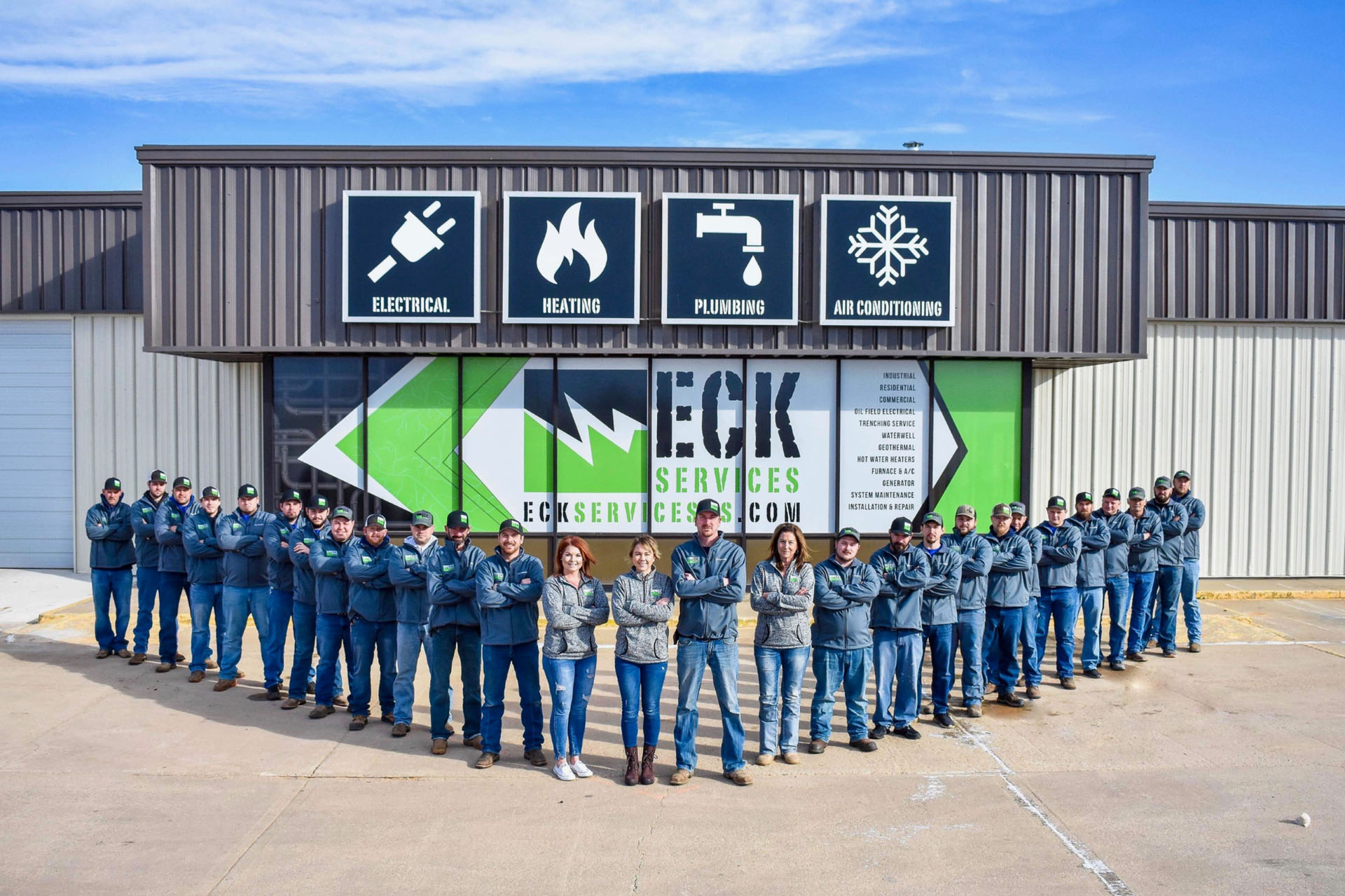
When It Is Time to Call a Professional
Understanding the steps will help you know what is happening, but actual water heater replacement is safest with someone who handles these systems every day. If your heater is leaking, failing, or coming to the end of its lifespan, Eck Services can install a new one quickly and correctly so you are not left without hot water.